
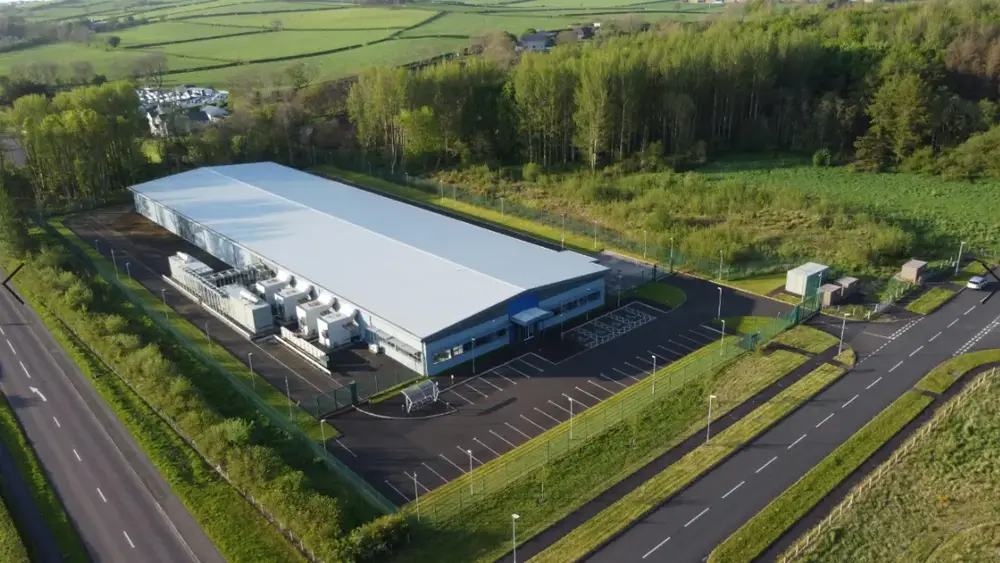
Data centers are probably the hottest topic on the planet right now. Some people are staunchly against, some people are ardently for, and some are neutral. But what are the pros and cons of these data centers? We took a deep dive trying to figure out if they truly affect the economy as positively as their proponents claim, or the environment as negatively as their opponents claim.
For this article, we reviewed the carbon dioxide emissions that data centers produce, the energy and water they consume, and the noise they emit. We also considered the economic impact and the innovation benefits that these data centers bring. We did all of this so we can help you understand what the deal is with data centers.
Pros
To understand what the deal is with data centers, we decided to start with the pros. While data centers have a very bad rep, however justified, it’d be wrong to dismiss their benefits. These are the main pros of data centers you should consider.
Infrastructure development
Municipalities, cities, and states strive to attract data centers by improving their infrastructure. When a company builds a data center, the surrounding area’s infrastructure has to be developed. That includes the quality of the roads in and around the center, fiber optics, and even the power grid.
While this infrastructure development is important, there is one caveat you should keep in mind. Nine times out of ten, the infrastructure development comes out of the taxpayers’ pockets. So, taxpayers pay for the infrastructure that primarily benefits a company.
Innovation
The promise of innovation is a great one when it comes to data centers. While data centers themselves are used to house computer systems and their associated components only, they actually affect innovation by facilitating AI. In the era of artificial intelligence, we see and hear the promise of innovation everywhere.
From groundbreaking medical diagnostic methods to instant data processing, data centers offer a lot of possibilities. The fact of the matter remains, though, that we have yet to see that innovation. Big tech companies like NVIDIA and OpenAI certainly promise a lot, but the actual results have been lacking.
Economic impact
One of the biggest selling points of data centers is the economic impact they are supposed to have. The companies aiming to build data centers promote them by promising hundreds of permanent jobs and thousands of temporary construction jobs. For a local economy, especially in a rural area, this could be huge.
The reality, from what we’ve seen, though, is a little different. The construction jobs are certainly there, but they only last a few months, up to a year. On the other hand, the promised permanent jobs aren’t really there. That’s because data centers typically don’t need big crews to operate. When you consider what the deal is with data centers, you should always keep this in mind.
Cons
Many experts in the field actually consider data centers to be environmental disasters. But why is that? In this section, we will explore what the deal is with data centers and why their drawbacks are so concerning.
Air pollution
Data centers rely heavily on fossil fuels for their most basic operations. From the electric energy production to the diesel backup generators, data centers are pollution factories. In fact, US data centers produced 105 million tons of CO2e in 2025 alone. More than that, these emissions had a 48% higher carbon intensity than the national average.

These numbers are staggering, especially when you consider that data centers aren’t necessary. They aren’t farms that feed communities, they aren’t hospitals that treat patients, and they aren’t factories that employ thousands of people. They are massive computer warehouses.
Noise pollution
Like we discussed above, data centers house numerous massive computers, servers, and their additional components. By the virtue of their existence and operation, these components produce noise. Whether you look at the power generators they run on, the cooling systems, or the actual computers themselves, the noise is constant.

In fact, the noise levels usually stand at 96 dBA in and around data centers. The CDC states that workplace noise is hazardous with repeated exposures of 85 dBA or higher, and that’s for limited periods. Data centers run 24/7, which means that the hazardous noise never stops. When considering what the deal is with data centers, this is an important factor.
Drinking water consumption
We live in an era when clean drinking water is becoming a scarcer resource every day. People in drought-stricken areas like Los Angeles and Texas are constantly being told to use less water in their daily lives. And then we have data centers, which consume outrageous amounts of water for cooling. In fact, the larger data centers can consume up to 5 million gallons of clean drinking water per day.

Not only is this level of clean water consumption threatening to the levels of clean drinking water we have, it also impacts the quality of the water systems. People who live near data centers complain of having incredibly low water pressure, which affects their lives negatively.
Electricity consumption
You cannot discuss what the deal is with data centers without discussing their electricity consumption. In order to operate to its full capacity, a data center must consume incredibly high levels of electricity. While data center cloud facilities were already bad, using power equal to 25,000 homes, AI data centers are on another level.
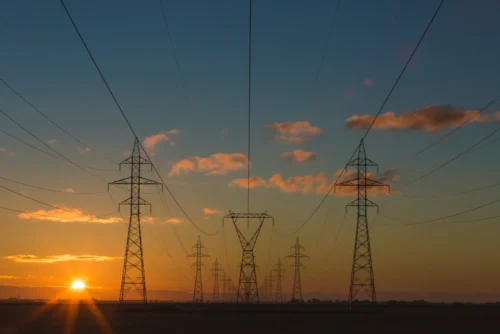
The data center that Meta is building in Louisiana will be using twice as much energy as the entire city of New Orleans. The number and size of the facilities that keep popping up are beyond any developed country’s grid capabilities. That means that we may see grid collapses, power outages, and a sky-high price jump.
Climate impact
One of the major drawbacks of data centers is the sheer temperature at which they operate. Data centers should operate at temperatures of about 27°C (80.6°F). You have to take into account the computing power they possess, the cooling systems in place, and the 24/7 method of operation.

With all these factors, experts assess that data centers increase the daytime temperature 2°F to 5°F (1.1°C to 2.7°C) and night-time temperatures by 8°F to 12°F (4.4°C to 6.6°C). As we’re already living in a tenuous time when it comes to climate change, data centers seem like a terrible idea.
Summary of What the Deal is With Data Centers
Asking what the deal is with data centers is a very valid question in this day and age. Everyone seems to be talking about them, from politicians and celebrities to local pastors and librarians. Everyone has their own take on the benefits and drawbacks of data centers for the economy and environment.
Based on our own research and conclusions, we have to say that data centers are not worth it. The benefits seem to be quite minor and are limited to small groups of people — the data center owners. Comparatively, the drawbacks seem to affect everyone and everything negatively.
Leave a Reply