
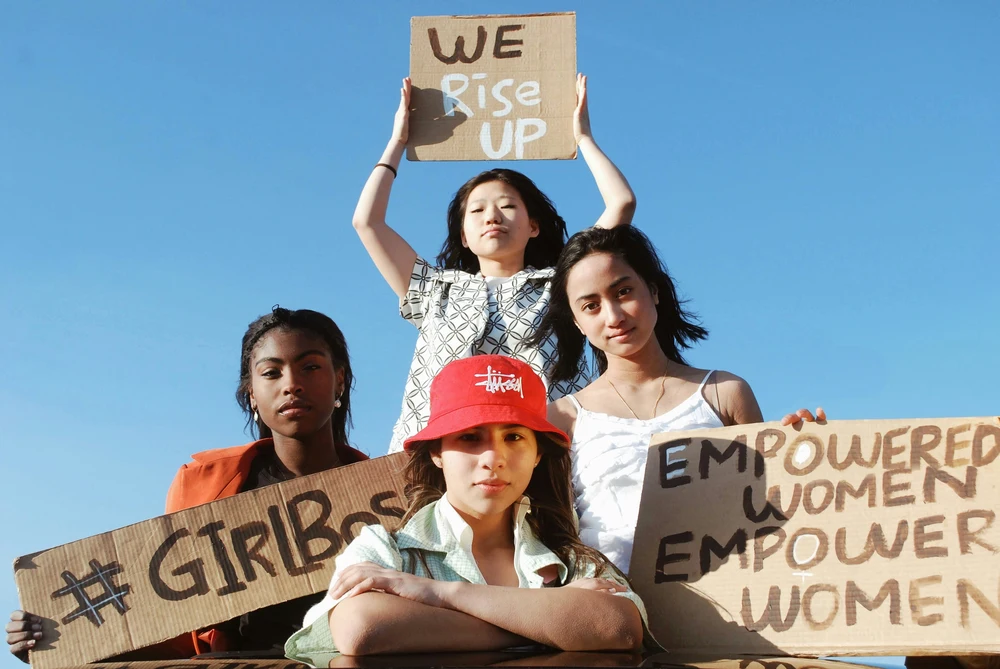
Feminism is a range of socio-political movements that aim to establish complete equality of the sexes. That refers to social, economic, personal, and political rights. International Women’s Day serves as a day to remember the progress made, and the progress we are yet to make.
That is why we took it upon ourselves to look back at the 3 feminists who shaped history. There have been many crucial feminist figures across the centuries, but these 3 stand out to us.
Soujourner Truth
Soujourner Truth was one of the most impactful feminists in the West. Born in 1797, she was a prominent abolitionist, civil rights activist, and feminist. In fact, she was one of the first feminists to put forward the idea of intersectional feminism.
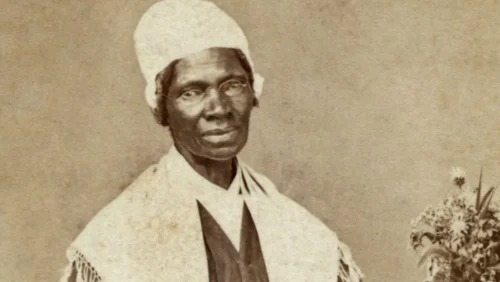
At the Women’s Convention in Akron, Ohio, she delivered the legendary speech: “Ain’t I A Woman?”. While multiple versions of the speech have been published, the core remained the same. Soujourner Truth’s call for equality for all women and for the abolition of slavery. Her impact makes her one of the women who shaped history.
Alexandra Kollontai
One of the first countries in the world to recognize women’s rights to vote, work, and have abortions was the USSR. Although there were several important feminists in USSR history, Alexandra Kollontai stands out.
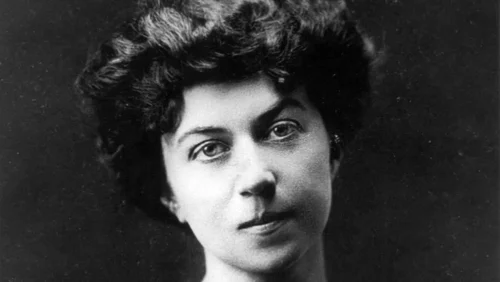
She is one of the women who shaped history because she was the first woman in history to be a cabinet minister. She served as the People’s Commissar for Welfare in Lenin’s government. She was one of Lenin’s advisors, and she used her position to champion women’s equality and liberation.
Kimberlé Crenshaw
Feminism has had many different iterations since its inception. While women’s equality has always been at the core, there have been many different approaches. Dr. Kimberlé Crenshaw is one of the feminists who shaped history because she is the author of intersectional feminism.
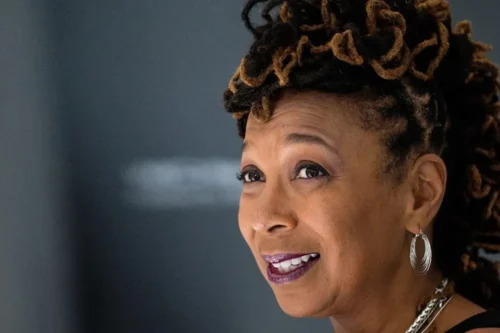
The theory of intersectionality is the study of how overlapping or intersecting social identities, particularly minority identities, relate to systems and structures of oppression and discrimination. That means that there is no women’s equality without racial equality and class equality.
Leave a Reply